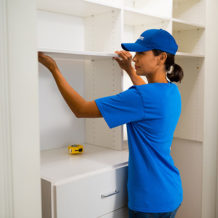
We are excited to announce that a long time Master Craftsman of our business is now the proud new owner; please join us in congratulating Earl Swader as the new owner of Handyman Connection of Blue Ash. Earl has previous business ownership already under his belt and is looking forward to continuing to serve the Blue Ash community as the proud owner.

Home Maintenance / July 29, 2026

Small maintenance problems have a way of turning into bigger pest problems fast. A tiny gap under a door becomes an entry point for ants. A slow plumbing leak creates enough moisture to attract cockroaches and termites, while a cluttered garage gives rodents a quiet place to nest unnoticed for months.
Most pest infestations begin not because a home is dirty, but because small maintenance tasks get delayed long enough to create food sources, moisture, shelter, and easy access indoors.
The good news is that consistent upkeep goes a long way toward preventing those problems before they start. A few simple maintenance habits can help pest-proof your home, protect the structure itself, and make it far less inviting to pests year-round.
Here are eight home maintenance tasks that can help keep pests away naturally while protecting your home at the same time.
Most pests don’t need a wide-open door to get inside. In fact, mice can squeeze through openings as small as a dime, while insects can slip through gaps you barely notice during a quick walk around the house.
That’s why exterior maintenance is one of the most important parts of home maintenance pest prevention. Small gaps around windows, vents, utility lines, siding, and foundations create easy entry points for ants, cockroaches, rodents, and other pests searching for food, warmth, and moisture indoors.
The longer those openings sit untreated, the worse they usually become. Seasonal weather changes cause materials to expand and contract over time, turning small cracks into larger structural vulnerabilities.
Inspect the exterior of your home regularly and seal openings before pests move in. Apply caulk around windows and foundations, replace damaged weather stripping, and install door sweeps where gaps appear beneath exterior doors.
When gutters clog with leaves and debris, rainwater overflows and collects around the foundation. That excess moisture creates ideal conditions for termites, ants, and cockroaches, especially during warmer months when pest activity increases.
Over time, standing water can also damage siding, roofing materials, fascia boards, and other wooden structures around the home. Once wood remains consistently damp, it becomes even more attractive to pests seeking shelter and food.
Clean gutters regularly, especially during spring and fall when debris builds up quickly. Check the downspouts to make sure water flows away from the home rather than pooling near the foundation.
If you notice standing water after heavy rain, fix the drainage issue early. Moisture problems rarely stay contained for long, and they almost always become more expensive the longer they’re ignored.
Attics and crawl spaces often become pest hotspots simply because homeowners rarely check them. Since these areas stay dark, quiet, and undisturbed most of the time, they provide ideal shelter for rodents, insects, and hidden pest infestations.
Mice and rats frequently nest inside insulation, behind walls, or near stored items where they can stay hidden for long periods. In many cases, homeowners don’t realize there’s a problem until they hear scratching noises at night or discover droppings, chewed materials, or strong odors.
Pay attention to signs of attic rodents early on: scratching above ceilings, gnaw marks, shredded insulation, or unusual smells often indicate mice or rats have already settled in.
And do it often! Routine inspections help catch problems before they spread through the rest of the home. Even a quick seasonal walkthrough can reveal leaks, entry points, or nesting materials before the infestation becomes much harder to control.
Moisture is one of the biggest reasons pests stick around once they get inside a home. Leaky pipes, poor ventilation, condensation, and damp basements create ideal conditions for cockroaches, termites, and ants to thrive.
Certain areas, like kitchens, bathrooms, laundry rooms, and crawl spaces naturally produce more humidity throughout the day, which makes even small plumbing or ventilation problems more attractive to pests over time.
Excess moisture creates structural problems, too. Damp conditions contribute to mold growth, wood rot, and weakened materials that make homes even more vulnerable to future infestations.
Fix leaks as soon as you notice them, even if they seem minor. A slow drip under a sink or around an appliance can create enough consistent moisture to support pest activity.
You should also reduce humidity wherever possible. Run bathroom exhaust fans after showers, improve airflow in damp areas, and use dehumidifiers in basements or crawl spaces that stay humid year-round.
Garages, basements, closets, and storage rooms packed with cardboard boxes often become ideal nesting areas for rodents and insects, especially because cardboard holds moisture and provides insulation.
Overcrowded storage areas create another problem, too, making it much harder to notice early warning signs like droppings, gnaw marks, grease trails, or nesting materials before a pest infestation spreads.
Use sealed plastic bins instead of cardboard whenever possible, keep items off the floor, and leave enough space to inspect walls and corners regularly. Organized storage areas make pests easier to spot, and far less likely to stick around.
Your landscaping plays a bigger role in pest prevention than many homeowners realize. Overgrown bushes, tree branches touching the roof, and dense vegetation around siding create easy pathways for rodents and insects to reach the home. Once pests get close to the structure, finding entry points becomes much easier.
Moisture only makes the problem worse. Wood piles, heavy mulch, standing water, and outdoor clutter create ideal shelter for termites, ants, and rodents looking for food and protection.
Trim shrubs and tree branches back regularly, keep mulch away from the foundation, and avoid letting debris or unused materials pile up near the house.
Kitchens naturally attract pests because they combine the three things insects and rodents need most: food, moisture, and shelter. Even a well-maintained home can develop problems when crumbs collect under appliances, grease builds up around cooking areas, or trash and pet food sit out too long.
Ants, cockroaches, mice, and rats are all drawn to easy food sources, especially in busy kitchens where small messes build up quickly. Wipe down counters daily, sweep beneath appliances and dining tables regularly, empty trash often, and avoid leaving pet food out overnight. These consistent cleaning routines help keep pests away naturally by cutting off the food sources that allow infestations to grow.
Some pest problems stay hidden for months before homeowners notice anything is wrong. Termites can quietly weaken wood behind walls, while rodents nest in attics or crawl spaces long before scratching noises or droppings appear. By the time the damage becomes obvious, repairs are often far more expensive and disruptive.
That’s why preventative inspections are so valuable. Routine maintenance checks help catch moisture issues, entry points, and structural vulnerabilities early, while professional pest inspections can spot warning signs most homeowners miss.
The good news is that staying ahead of pest problems usually comes down to small, consistent habits. Handle maintenance issues early, and you make your home far less inviting to pests year-round while avoiding the cost and stress of major infestations later.

11115 Kenwood Rd.
Blue Ash, OH 45242

© Handyman Connection 2026 | Privacy Policy

 (513) 771-3950